
IT OutsourcingFeatured
How Sri Lanka Emerge As A Strategic Hub For IT Outsourcing
Read time: 4 mins


01Startups
02Enterprises
03AI for Business
Practical thinking from the engineers, designers and strategists at Digiratina on building, scaling and modernising the software that moves businesses forward.
Read time: 4 mins
Showing 85–96 of 108
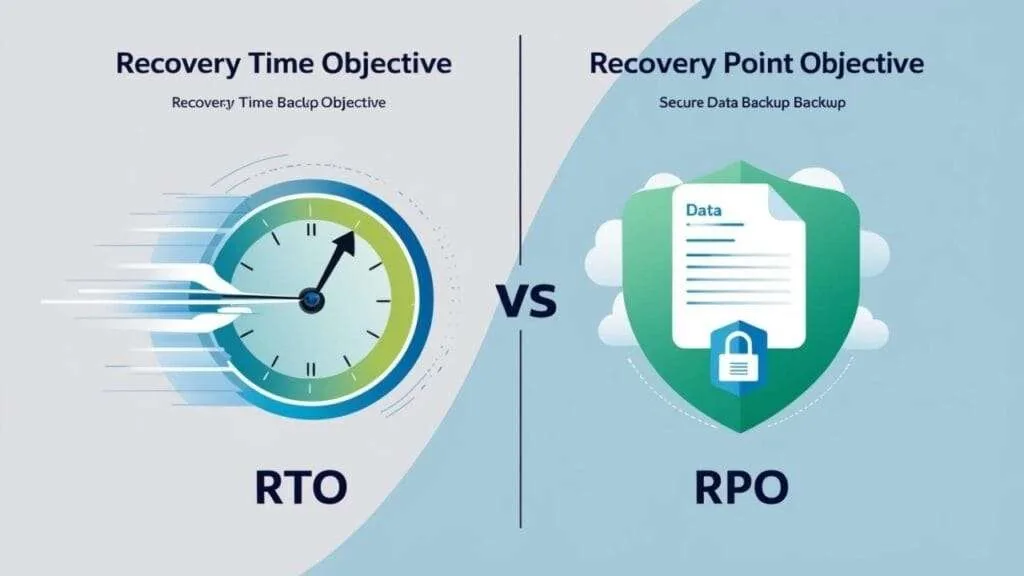
When a critical system fails, the clock starts ticking and so does the counter on revenue loss. Are you prepared with the right recovery metrics? In recent years, high-profile outages have highlighted the need for clearly defined RTO and RPO targets. In early 2025, Barclays Bank suffered a multi-day IT outage that disrupted online banking, card transactions, and ATMs, resulting in an estimated £7.5 million in customer compensation. Similarly, in October 2023, a data center cooling failure impacted DBS and Citibank in Singapore, resulting in more than 2.5 million failed payment and ATM transactions. These real-world failures illustrate the immense financial and reputational risks tied to insufficient recovery planning. As software architects and developers, we build the digital infrastructure that powers modern business. Yet too often, our disaster recovery planning relies on vague assurances rather than measurable standards. Let’s change that by mastering two critical metrics: Recovery Time Objective (RTO) and Recovery Point Objective (RPO).

When developing custom software, businesses face a crucial choice: Should they partner with a massive, well-known firm or a smaller, more specialized boutique agency? It’s easy to assume that bigger means better—after all, large companies often have a long list of clients, extensive resources, and impressive case studies. But when you dig deeper, it becomes clear that boutique software agencies frequently deliver better results. Why? Because they’re built around personalization, agility, and expertise — exactly what businesses need to succeed in a fast-changing digital world.

In today’s rapidly evolving and competitive tech world, Australian businesses are increasingly turning to offshore software development to strengthen their teams, access specialized skills, and manage project costs more effectively. Choosing the right offshore partner can have a great impact on the success of such a move. To explain this in detail, let’s check out how Digiratina’s Australian client experienced business growth.

Hiring the right talent is crucial for any business to succeed, traditional hiring can be a long, expensive, and exhausting process. From writing job descriptions and sifting through countless resumes to conducting interviews and onboarding, the process is often more time-consuming and costly than expected. On top of that, you may still end up with skill gaps or a misaligned hire, setting your project back even further.

The mobile app industry is constantly evolving, and 2025 is set to bring exciting innovations that will reshape how businesses and consumers interact with technology. With advancements in AI, 5G, AR/VR, and blockchain, mobile applications are becoming more intelligent, efficient, and immersive. If you’re planning to develop an app or upgrade an existing one, staying updated on these trends is crucial. Let’s explore the key mobile app development trends for 2025.

Fintech (financial technology) is revolutionizing how businesses and consumers handle financial transactions, making banking, payments, lending, and investing more accessible than ever. If you’re wondering whether developing a fintech app is worth the investment, the answer is a resounding YES. With the fintech market expected to grow significantly in the coming years, businesses that jump in early stand to gain a competitive edge. Here are 7 compelling reasons to invest in fintech app development today.

Businesses constantly look for ways to optimize costs, improve efficiency, and access top-tier talent. One of the most effective strategies to achieve these goals is hiring offshore developers. Whether you’re a startup or an established enterprise, outsourcing your software development needs to offshore teams can offer significant advantages. Here are 8 key benefits of hiring offshore developers for your next project.

Tracking the right software development metrics is essential for delivering high-quality products, optimizing workflows, and ensuring business success. Software projects involve multiple processes, from coding and testing to deployment and maintenance. Without proper metrics, development teams may struggle to identify inefficiencies, predict bottlenecks, and measure progress accurately.

The real estate industry has undergone a massive digital shift, with mobile apps becoming the go-to solution for property buyers, sellers, and renters. People no longer rely on traditional methods to find their dream homes now, everything happens at their fingertips. If you want to build a real estate app that stands out, you need a well-planned approach, innovative features, and a seamless user experience. Let us walk you through the key steps, features, and strategies to create the best real estate app that meets market demands and attracts a loyal user base.
Building a mobile app is an exciting journey, but for startups, it can also be a minefield of costly mistakes. Amid millions of apps competing for user attention, even a small misstep can lead to failure. Many startups dive into development without a clear strategy, leading to issues such as poor user experience, security vulnerabilities, and marketing misfires. To stand out in this competitive landscape, it is essential to anticipate and avoid common pitfalls. Let us explore ten critical mistakes startups make during mobile app development and how to avoid them.

When you think about real estate, you probably picture property listings, agents negotiating deals, and the excitement of finding the perfect home. But behind the scenes, technology is making all this easier—and real estate software is becoming more important than ever. Whether it’s an app for browsing listings, managing transactions, or analysing market trends, the software must run smoothly. And that’s where Quality Assurance (QA) comes in. QA is what ensures that everything works as it should, and in the world of real estate, it’s more important than you might think.

Building a new product can be an exciting yet overwhelming journey, especially for startups and first-time entrepreneurs. One of the most effective ways to enter the market without wasting time and resources is through MVP (Minimum Viable Product) development. But what exactly is an MVP, and why should you consider building one for your first product? Let us walk you through the essential steps of creating an MVP and help you understand how it can accelerate your journey to success.
Try selecting another category or search term.
Please try again later.
Showing the first 60 matches. Add another keyword to narrow your search.
Tell us about your idea or challenge, and our team will get back to you within one business day to map out the next steps.
Or email us directly at info@digiratina.com