

Building a mobile app MVP isn’t quite the same challenge as building a web one. You’re not just shipping to a browser and iterating whenever you like. You’re building two different operating systems, a review process you don’t control, and users who will delete your app within seconds if it feels clunky. None of that means mobile MVPs are harder to justify; it means they need a slightly different playbook.
That playbook matters more than founders often expect. In 2025 alone, Apple rejected roughly 23% of the 9.1 million app submissions it reviewed, and performance problems, crashes, bugs, incomplete builds, caused more rejections than every other category combined. A mobile MVP that isn’t planned with the platform’s rules in mind doesn’t just risk a slow start. It risks not launching on schedule at all.
Validate the Idea Before You Touch a Single Screen
Before any design or development work starts, get clear on the one problem your app solves and who has it. Talk to real potential users, not just friends who’ll tell you what you want to hear. This step feels slow when you’re eager to start building, but it’s far cheaper to learn your idea doesn’t hold up in a conversation than after months of development.
Choose Your Platform Strategy Early
One of the first real decisions is whether to build natively for iOS and Android separately or use a cross-platform framework that shares one codebase across both. For most MVPs, cross platform wins speed and budget, and two frameworks now dominate that space: Flutter and React Native.
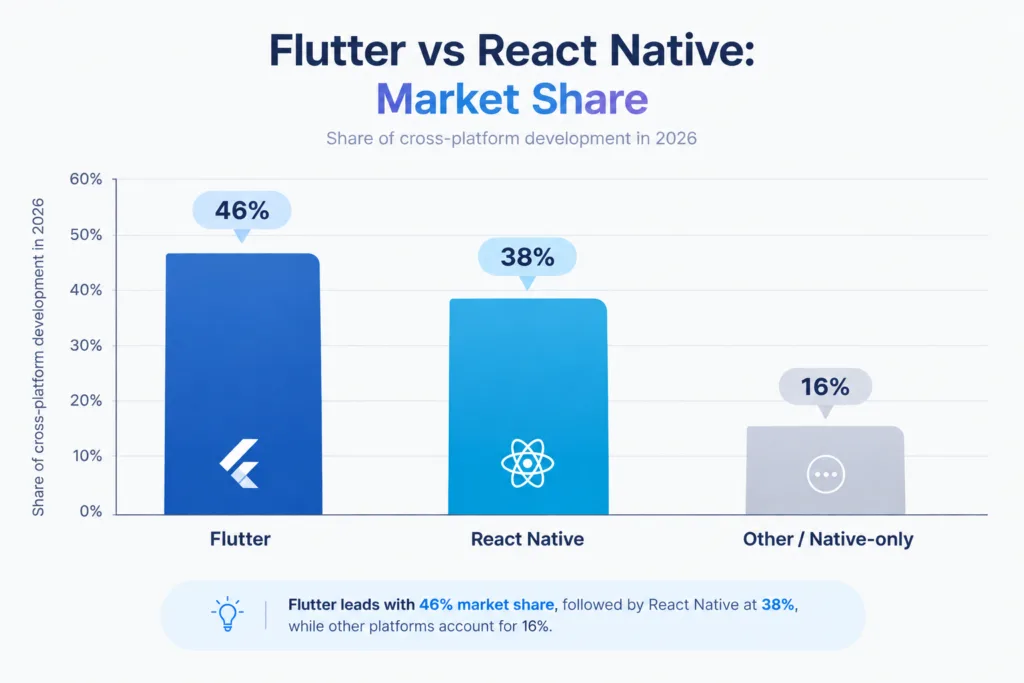
Flutter tends to suit apps where pixel perfect, highly visual design matters most, since it renders its own UI rather than relying on native components. React Native tends to suit teams already comfortable with JavaScript and often has a shorter learning curve if that’s your team’s background. Neither choice is wrong for an MVP; what matters is picking one deliberately, rather than defaulting to whatever a contractor happens to know best.
Map the One Journey That Has to Work Perfectly
Open your future app for the first time, in your head, as a brand-new user. What’s the shortest path from that first tap to the moment they actually get value? For a fitness app, that might be sign up, log one workout, see it reflected on a simple dashboard. That path is your entire MVP. Everything that doesn’t sit on it can wait for version two.
Prototype and Test Before Writing Production Code
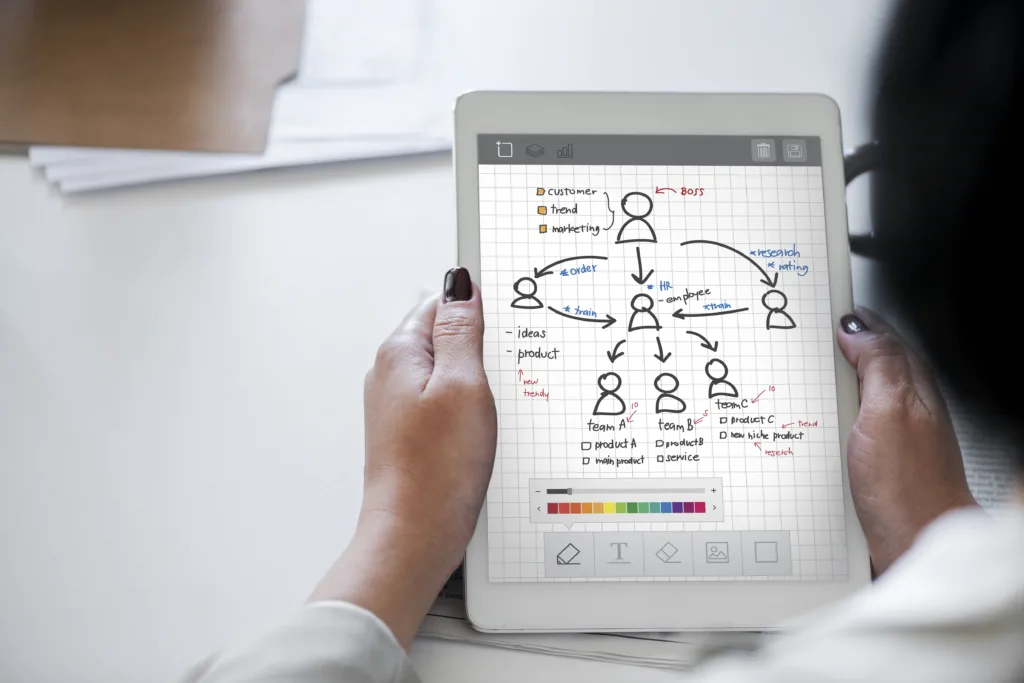
A clickable prototype, built in a design tool, lets you put your core journey in front of real users before a single line of production code exists. Watch where people hesitate, tap the wrong thing, or get confused about what to do next. Fixing a confusing flow in a prototype takes an afternoon. Fixing it after launch takes a development sprint and a round of user re-onboarding.
Build With App Store Rules in Mind From Day One
App store review isn’t something to think about the week before launch. Apple’s own 2025 data shows performance issues, crashes, bugs, and incomplete feeling builds, are the single biggest reason submissions get sent back, ahead of legal, design, business, and safety issues combined. Building stability and polish into your MVP from the start, rather than treating them as launch-week cleanup, is one of the most effective ways to protect your timeline.
Budget Time for Review, Not Just Development
Even a smoothly built app doesn’t go live the moment development ends. Apple’s review typically takes a few days, and a rejection sends you back to the queue after fixes. Android’s Google Play review is usually faster but not instant either. Build a buffer of at least one to two weeks between “development complete” and your planned launch date, so a first-round rejection doesn’t blow up your announcement plans.
Wire Up Analytics Before You Launch, Not After
An MVP that launches without analytics is a missed opportunity, not a lean one. Basic event tracking, sign-ups, the one core action your app exists for, and where users drop off needs to be in place before real users ever open the app. Retrofitting analytics after launch means losing weeks of exactly the data your MVP was built to collect.
Launch Small, Then Let Real Usage Guide You
Release to a limited group first – a beta list, early adopters, or a soft regional launch before opening the floodgates. Use this window to watch real usage, fix what’s broken instead of what you assumed would be broken, and confirm the app is stable under real-world conditions before a wider release. A mobile MVP earns its next round of investment through what it proves in this phase, not through how many features shipped on day one.
Bringing It Together
A mobile app MVP succeeds or struggles based on decisions made well before the first line of code: which platform strategy fits your team, how tightly you’ve scoped the core journey, and how seriously you’ve planned for the review process most founders don’t think about until it’s too late. Build stability from day one, test with real users early, and treat your first release as a beginning, not a finish line.
At Digiratina, mobile MVP builds start with exactly this kind of planning, platform strategy, core journey, and a realistic path through app store review, before a single screen gets designed. If you’re mapping out your own mobile MVP, we’re happy to walk through the plan with you.