
IT OutsourcingFeatured
How Sri Lanka Emerge As A Strategic Hub For IT Outsourcing
Read time: 4 mins


01Startups
02Enterprises
03AI for Business
Practical thinking from the engineers, designers and strategists at Digiratina on building, scaling and modernising the software that moves businesses forward.
Read time: 4 mins
Showing 13–22 of 22
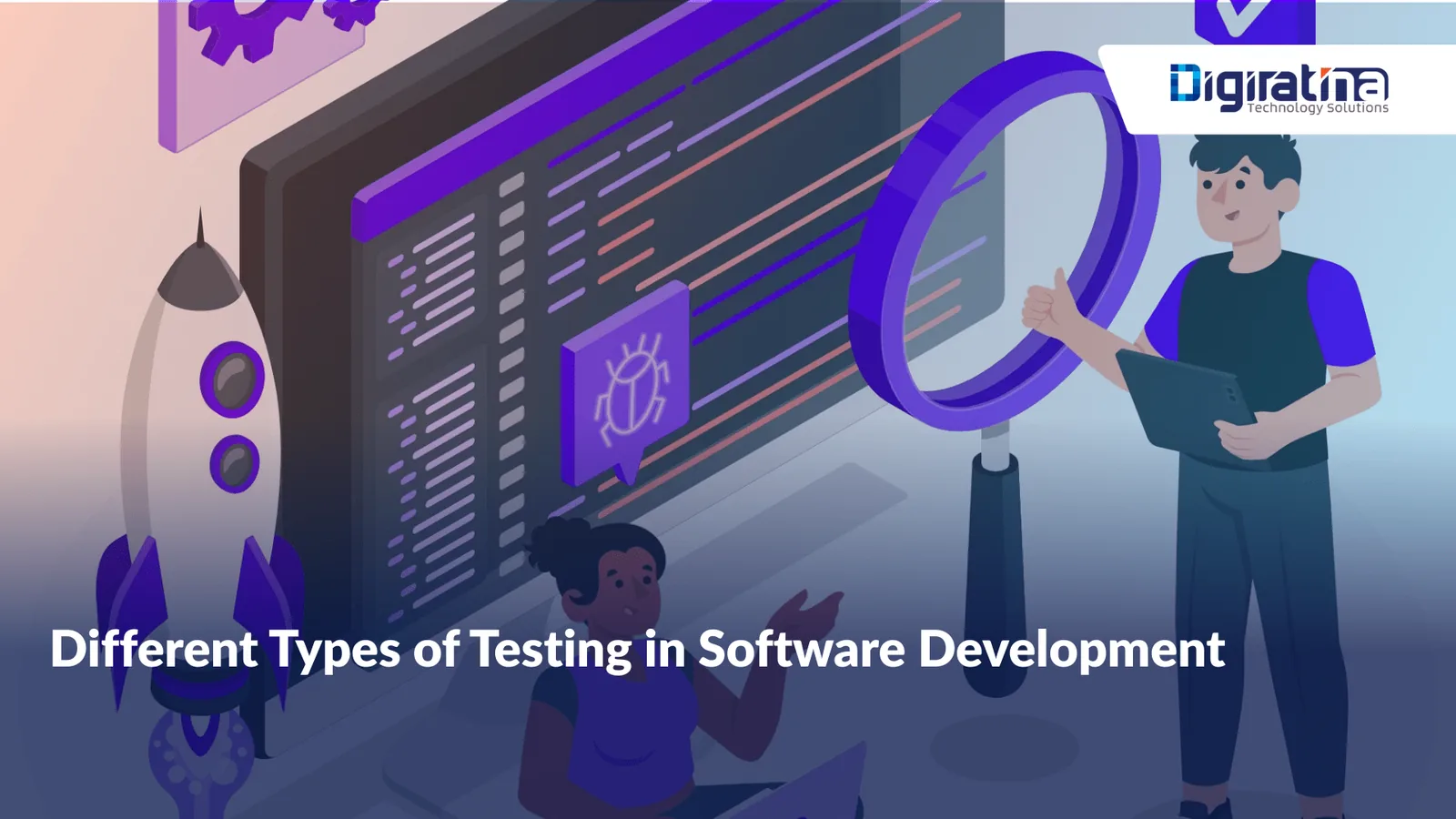
A product that works perfectly in a dev environment can still fail when real users get their hands on it. That gap comes from not testing the right things at the right time. Testing is part of building smart software. It’s not the final step. It runs alongside development and helps catch weak spots early.…

Building a software product isn’t just about delivering features. It’s about ensuring that what you’ve built works exactly how your users expect it to. A great idea with poor execution does more harm than good. That’s where software testing steps in. It’s not a task to be rushed through before launch, it’s a process that…

Software development is one of those industries that never stops evolving. Whether it’s a new framework, an emerging coding standard, or a sudden trend in user behavior, this field is a blend of creativity, logic, and continuous learning. However, beyond the usual tech jargon and timelines, there are many surprising and lesser-known truths about this industry that even seasoned professionals might overlook. We’ve gathered some of the most interesting facts about software development that reflect just how dynamic and influential this domain is, whether you’re a startup founder, product manager, or simply curious about what goes on behind the screen.

Australia’s competitive industries are transforming at an incredible pace, and off-the-shelf software just isn’t cutting it anymore. From automating operations to unlocking hidden efficiencies, businesses are leaning into bespoke software solutions, not just for convenience but to stay ahead in fast-evolving markets. Having worked with clients across sectors, we’ve noticed a clear pattern: the industries that embrace custom-built systems are the ones making the biggest leaps. Here’s a closer look at the top seven industries in Australia that are getting the most value from tailored software services.
In the tech industry, the terms “developer” and “engineer” are often used interchangeably in job titles, conversations, and recruitment. Yet beneath this casual synonymity lies a fundamental difference, not necessarily in skills or qualifications, but in mindset and approach to problem-solving. As someone who has worked with both developers and engineers, and who has traversed the path from one to the other, I’ve observed that the distinction goes far beyond semantics. It represents a profound shift in how we think about building technology and the responsibilities we embrace in that process.
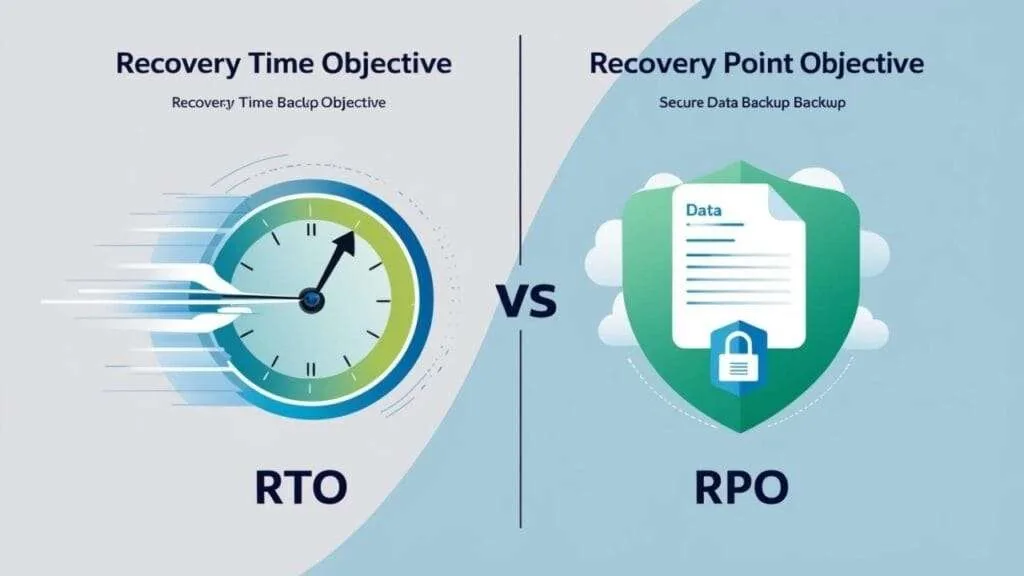
When a critical system fails, the clock starts ticking and so does the counter on revenue loss. Are you prepared with the right recovery metrics? In recent years, high-profile outages have highlighted the need for clearly defined RTO and RPO targets. In early 2025, Barclays Bank suffered a multi-day IT outage that disrupted online banking, card transactions, and ATMs, resulting in an estimated £7.5 million in customer compensation. Similarly, in October 2023, a data center cooling failure impacted DBS and Citibank in Singapore, resulting in more than 2.5 million failed payment and ATM transactions. These real-world failures illustrate the immense financial and reputational risks tied to insufficient recovery planning. As software architects and developers, we build the digital infrastructure that powers modern business. Yet too often, our disaster recovery planning relies on vague assurances rather than measurable standards. Let’s change that by mastering two critical metrics: Recovery Time Objective (RTO) and Recovery Point Objective (RPO).

Tracking the right software development metrics is essential for delivering high-quality products, optimizing workflows, and ensuring business success. Software projects involve multiple processes, from coding and testing to deployment and maintenance. Without proper metrics, development teams may struggle to identify inefficiencies, predict bottlenecks, and measure progress accurately.
Custom software creation is an ever-growing system in the current digital scenario. Organizations are constantly looking for technologies that can help them optimize their business processes, improve consumer touchpoints, and stay competitive in an increasingly digital world. Concerning future activities, the custom software development domain may develop and adopt revolutionary trends by 2025. Let us look into the software development trends expected to be prominent in 2025 and how these trends will affect businesses.

In today’s fast-paced digital landscape, the software development industry is evolving rapidly. As a leading provider of software development services, we understand the importance of staying ahead of the curve. In this blog post, we’ll explore the latest trends and innovations in software development that are shaping the future of the industry. We’ll also discuss how our company, as a trusted technology partner, is helping enterprises and startups across Australia, New Zealand, the USA, Norway, Sweden, Canada, the Maldives, Germany, Japan, Singapore, and the Middle East to navigate these changes successfully.

As tech evolves, software development leads the charge, shaping the digital experiences that define our daily lives. From mobile applications to complex enterprise systems, the process of creating software is both an art and a science. In this post, we’ll delve into the multifaceted world of software development, exploring its intricacies, methodologies, and the impact it has on our interconnected world.
Please try again later.
Showing the first 60 matches. Add another keyword to narrow your search.
Tell us about your idea or challenge, and our team will get back to you within one business day to map out the next steps.
Or email us directly at info@digiratina.com